
Introduction
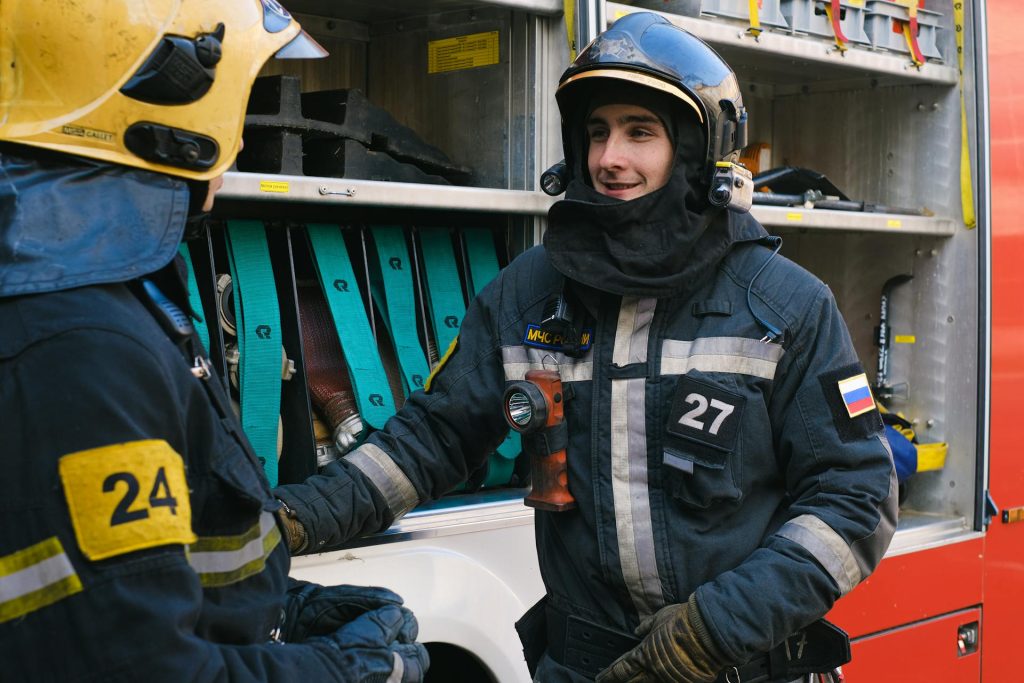
First responders face high-stress situations daily, making mental resilience essential for long-term well-being. Resilience helps them cope with trauma, reduce burnout, and continue serving their communities effectively.
Key Strategies:
- Mindfulness and Meditation
- Practice deep breathing exercises during stressful moments.
- Use guided meditation apps like Headspace or Calm for daily relaxation.
- Physical Fitness and Healthy Living
- Engage in regular exercise to reduce stress hormones.
- Maintain a nutritious diet to support mental clarity and energy levels.
- Peer Support and Open Communication
- Participate in debriefing sessions with colleagues.
- Join peer support groups to share experiences in a safe space.
- Work-Life Balance
- Set clear boundaries between work and personal life.
- Engage in hobbies and activities that bring joy outside of work.
- Seeking Professional Help
- Utilize counseling services available for first responders.
- Don’t hesitate to reach out to a therapist if struggling with persistent stress.
Conclusion
By incorporating these strategies, first responders can build resilience and continue serving their communities while protecting their own mental health.