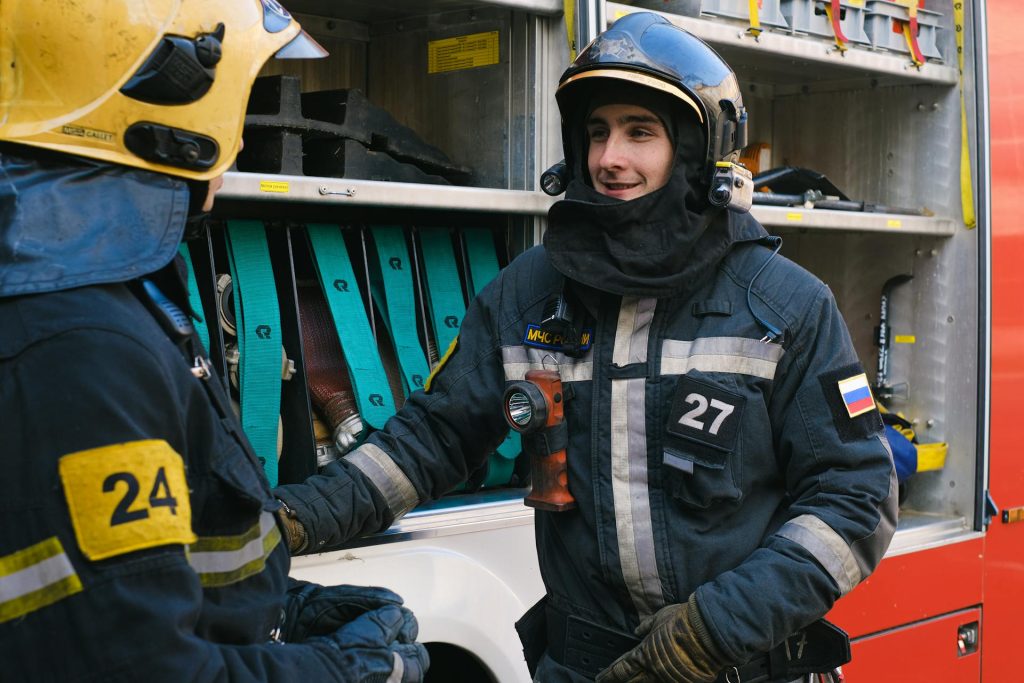

Introduction
First responders often experience traumatic events that can lead to PTSD. Recognizing symptoms early and seeking support is crucial for mental well-being.
Common Signs of PTSD:
- Flashbacks or nightmares related to past events
- Emotional numbness or detachment
- Avoidance of places or situations that trigger memories
- Increased irritability, anxiety, or depression
- Difficulty sleeping or concentrating
Steps to Address PTSD:
Acknowledge the Signs
- Be aware of symptoms and understand they are a normal reaction to trauma.
Talk to Someone You Trust
- Share your feelings with a trusted colleague, friend, or family member.
Engage in Coping Mechanisms
- Try relaxation techniques, exercise, and structured routines to manage stress.
Seek Professional Support
- Consider trauma-focused therapy like Cognitive Behavioral Therapy (CBT) or EMDR.
Join First Responder Support Groups
- Connect with others who have experienced similar challenges for shared support.
Conclusion
PTSD is not a sign of weakness but a natural response to trauma. Seeking help early can lead to recovery and a healthier career in emergency services.